
Exploring Kona’s cultural sites while on the Big Island is a must. Kona is a region rich in history and culture, offering visitors a glimpse into Hawaii’s royal past. From sacred heiaus where ancient Hawaiian rulers sought divine guidance to grand palaces that housed generations of monarchy, these cultural landmarks tell the story of the islands’ heritage. Whether you’re a history enthusiast or simply looking to immerse yourself in the spirit of old Hawaii, exploring Kona’s cultural sites is a journey through time—one that reveals the legacy of King Kamehameha I and the traditions that continue to shape the islands today.

The History of King Kamehameha and Kona’s Cultural Sites
Kona, on the Big Island of Hawaii, is deeply tied to the history of King Kamehameha I, the legendary ruler who united the Hawaiian Islands. This coastal region holds numerous cultural landmarks that tell the story of his reign, his final years, and the legacy he left behind.
The Rise of King Kamehameha
King Kamehameha I, also known as Kamehameha the Great, was born in the 18th century and rose to power by uniting the Hawaiian Islands under his rule in 1810. His leadership was marked by military prowess, strategic alliances, and the adoption of Western technology in warfare. Kona played a significant role in his later life, serving as his residence and political center.
King Kamehameha’s Final Years in Kailua-Kona
In his later years, King Kamehameha retired to Kailua-Kona, where he spent time governing his kingdom and maintaining order. He passed away in 1819, and according to Hawaiian tradition, his burial site remains a secret to protect his mana (spiritual power). His legacy, however, lives on through the laws he established, including the Law of the Splintered Paddle, which protected the rights of non-combatants and travelers.
Recommendations For Kona’s Historical Sites To Visit While On The Big Island:

Puʻukoholā Heiau National Historic Site
One of the most significant cultural sites connected to King Kamehameha is Puʻukoholā Heiau, a massive temple he built in Kawaihae, just north of Kona. Constructed under his orders in 1790, the heiau (temple) was dedicated to the war god Kūkā‘ilimoku. It is believed that this temple played a role in securing his ultimate victory over his rivals. Today, visitors can explore this sacred site, learning about ancient Hawaiian religion and the strategic importance of the heiau in Kamehameha’s unification efforts.

Ahuʻena Heiau
Located in the heart of Kailua-Kona, Ahuʻena Heiau was Kamehameha’s personal temple. After uniting the islands, he ruled from this site, dedicating it to Lono, the god of peace and prosperity. Ahuʻena Heiau became the center of political and spiritual life during his final years. Today, the restored temple sits near Kailua Pier, offering visitors a glimpse into the religious and governance practices of the era.

Huliheʻe Palace
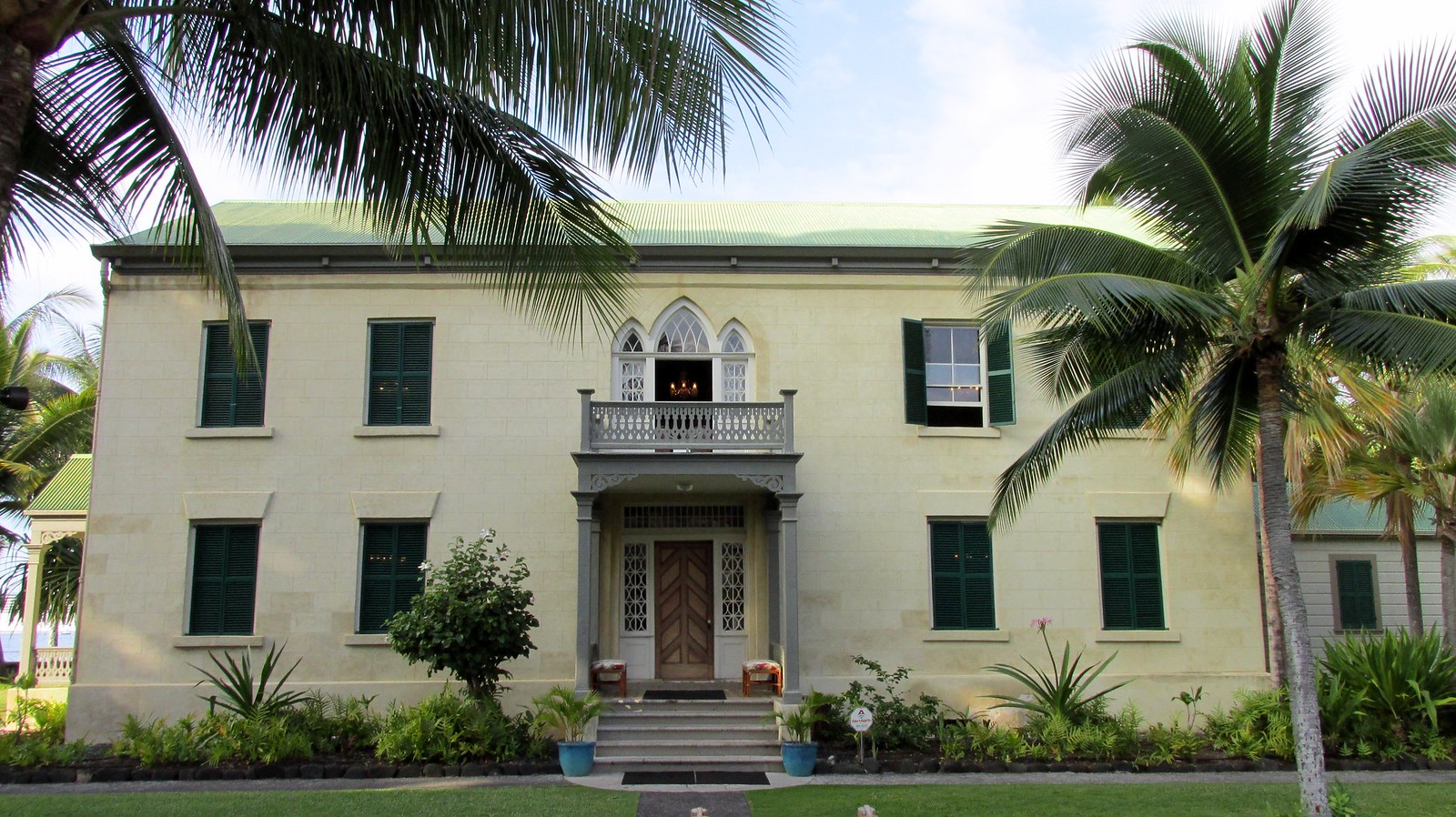
Another key historical site in Kona is Huliheʻe Palace, which served as a royal retreat for Hawaiian monarchs. While Kamehameha himself did not reside there, his descendants and later rulers used it as a vacation home. The palace, now a museum, showcases Hawaiian artifacts, royal memorabilia, and stories of the island’s rulers.
Visiting Kona’s Cultural Landmarks Today
Kona offers visitors a unique opportunity to walk in the footsteps of King Kamehameha I. Whether exploring the towering remains of Puʻukoholā Heiau, standing before the sacred Ahuʻena Heiau, or stepping inside Huliheʻe Palace, each site provides a window into Hawaii’s royal past. These landmarks serve as a reminder of the strength, wisdom, and enduring impact of one of Hawaii’s greatest leaders.
For travelers and history enthusiasts alike, a visit to these cultural sites in Kona is an unforgettable journey into the legacy of King Kamehameha the Great.
More Things To Do In Kona Hawai’i